
Walgreens to Go Private in Roughly $10 Billion Deal
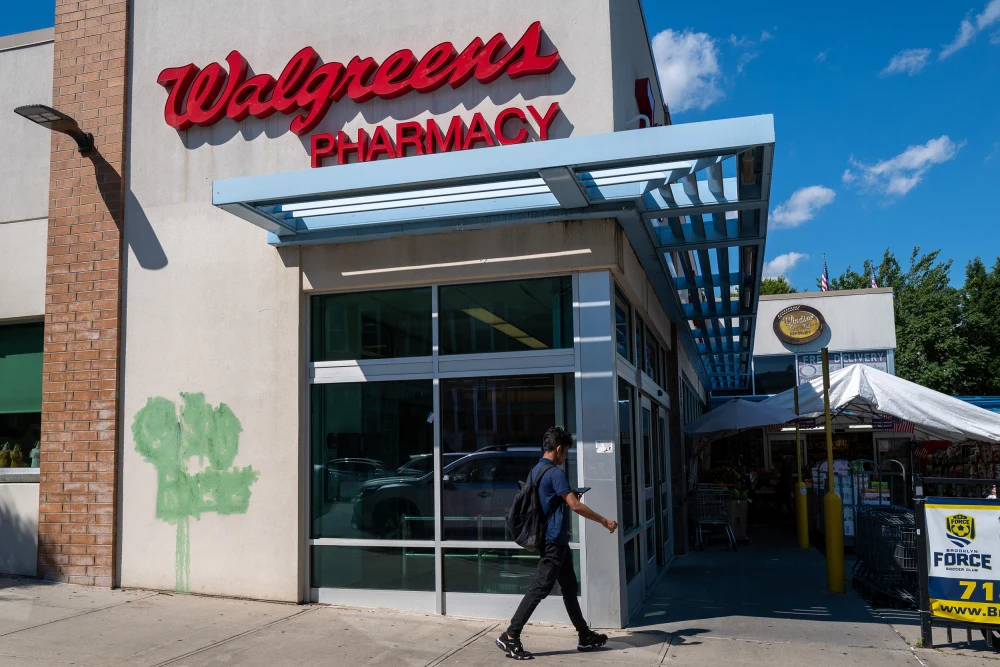
Walgreens and private equity firm Sycamore Partners have announced a deal to take the struggling drugstore chain private. The transaction, valued at approximately $10 billion in equity, is expected to close in the fourth quarter of this year.
Sycamore will acquire Walgreens for $11.45 per share in cash, with shareholders potentially receiving up to $3 more per share in future sales of Walgreens’ primary-care businesses, including Village Medical, Summit Health, and CityMD. The total value of the deal, including debt and potential future payouts, could reach $23.7 billion.
The announcement sent Walgreens shares surging over 5% in after-hours trading on Thursday before trading was halted. This historic move marks the end of Walgreens’ public status, which began in 1927. While shares have seen a 15% uptick in 2025, they remain down over 48% for the past year and have plummeted nearly 70% over the past three years.
Retail Strategy and Competitive Challenges
Walgreens CEO Tim Wentworth, who took over in 2023, stated that while progress has been made in the company’s turnaround strategy, significant value creation will take time and is best managed as a private company. Sycamore’s managing director, Stefan Kaluzny, expressed confidence in Walgreens’ pharmacy-led model and its essential role in patient care.
Walgreens will retain its headquarters in Chicago and continue operating its 12,500 global pharmacy locations with more than 310,000 employees. Despite its peak market value of over $100 billion in 2015, Walgreens’ value shrank to under $8 billion by late 2024 due to increasing competition from CVS, grocery chains, big-box retailers, and Amazon. Challenges such as pharmacy reimbursement pressures, post-pandemic consumer spending shifts, and a struggling expansion into health care have further exacerbated its decline.
Both Walgreens and CVS have pivoted from expansion strategies to store closures in recent years. Unlike CVS, which has diversified into insurance and pharmacy benefits, Walgreens has largely focused on its retail pharmacy business. In October, Walgreens announced plans to close 1,200 drugstores over the next three years, with 500 set to close in fiscal 2025 alone.
The company has also scaled back its primary-care push by reducing its stake in VillageMD. To navigate these challenges, Walgreens brought in health-care industry veteran Tim Wentworth as CEO in late 2023.
Impact on Consumer Markets and Lifestyle Trends
Walgreens’ shift in strategy comes as consumer trends continue to evolve. The vape industry, for example, has seen a rise in demand, with products like Mike Tyson Vape, Mike Tyson Vape Flavors, and Tyson 2.0 Legend 30K Puffs gaining popularity. These trends highlight the growing intersection between retail, health, and lifestyle preferences as companies adapt to changing consumer needs.
Future Outlook
The private equity acquisition echoes past interest in Walgreens as a takeover target. In 2019, KKR reportedly made a $70 billion buyout offer, but no deal materialized.
With Walgreens now set to go private, the move marks a pivotal moment in retail history, reflecting the pressures traditional drugstore chains face in an increasingly competitive and evolving marketplace.